We are processing your request.
Please, don't close or refresh the page.
9:30 AM – 7:30 PM
Plaça de la Seu, s/n, Palma, Mallorca
1 hour approx.
Price from: 11.55 €

Cathedral of Santa Maria of Palma, Mallorca: Tickets and Info

This website offers official tickets for this venue. Please note, however, that it is not the official website of the venue.

Smartphone tickets

Smartphone tickets

Why wait?

Priority Access Available

Instant confirmation

Instant confirmation

Flexible cancellation
Flexible cancellation

Smartphone tickets

Smartphone tickets

Everything you need, right in your pocket!
Why wait?

Why wait?

Skip the line and get priority access
Instant confirmation

Instant confirmation

Receive your tickets seconds after your purchase
Flexible cancellation

Flexible cancellation

Free cancellation up to 24 hours before the event available on selected experiences
4.6
(44)

Mallorca Cathedral: Entry Ticket

Highlights

Gain direct access without waiting in line.

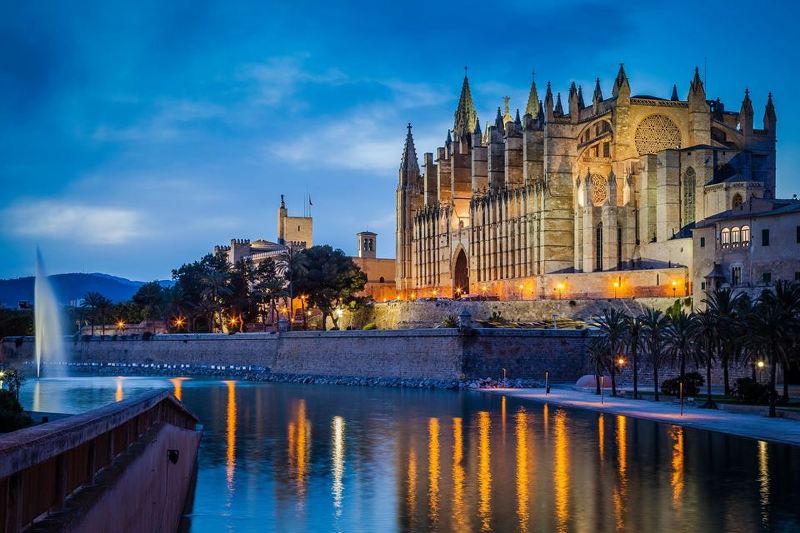
Discover the Gothic architectural masterpiece facing the sea.

Visit the burial sites of historical monarchs Jaime II and Jaime III.

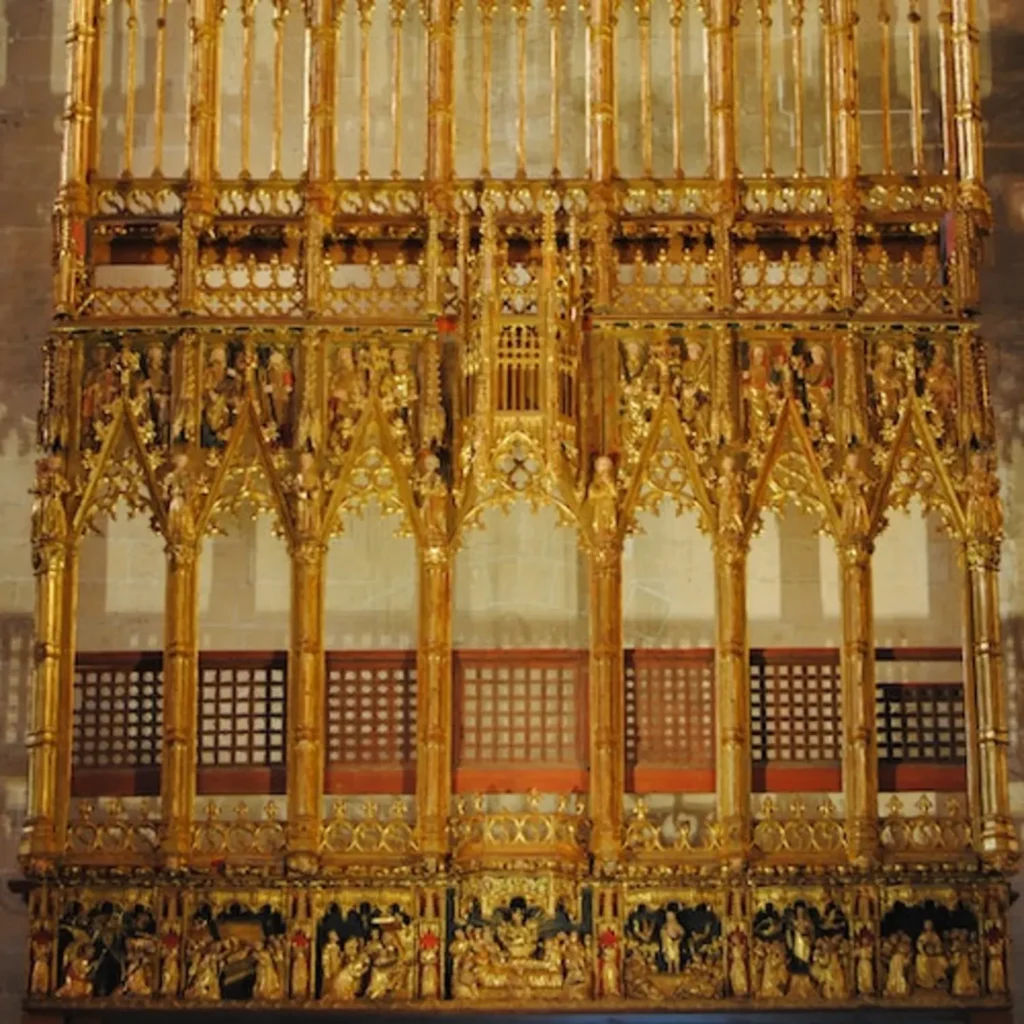
Admire the columns and sculptures crafted by Guillermo Sagrera.

Observe Gaudí’s early 20th-century modifications within the cathedral.
Good to Know Before Visiting the Cathedral of Mallorca

Visitors must adhere to a respectful dress code, ensuring that shoulders are covered and shorts or skirts reach mid-thigh.

Photography is permitted for personal use, but the use of flash, tripods, or professional filming equipment is strictly prohibited inside the nave.

The cathedral is an active place of worship, so visitors should maintain silence and refrain from entering areas cordoned off for prayer or Mass.

Access to the rooftop terraces requires a separate ticket and is restricted to individuals without mobility issues due to the steep 215-step climb.

Large suitcases and bulky backpacks are not allowed inside, and there are no storage lockers available on the cathedral grounds.

Purchasing tickets online in advance is highly recommended to avoid long queues at the ticket office, especially during the peak summer season.

The last entry for visitors is 45 minutes before the official closing time, so plan your arrival accordingly to ensure enough time for the museum.

Entry is free for residents of the Balearic Islands upon presentation of a valid ID or residency certificate at the ticket counter.

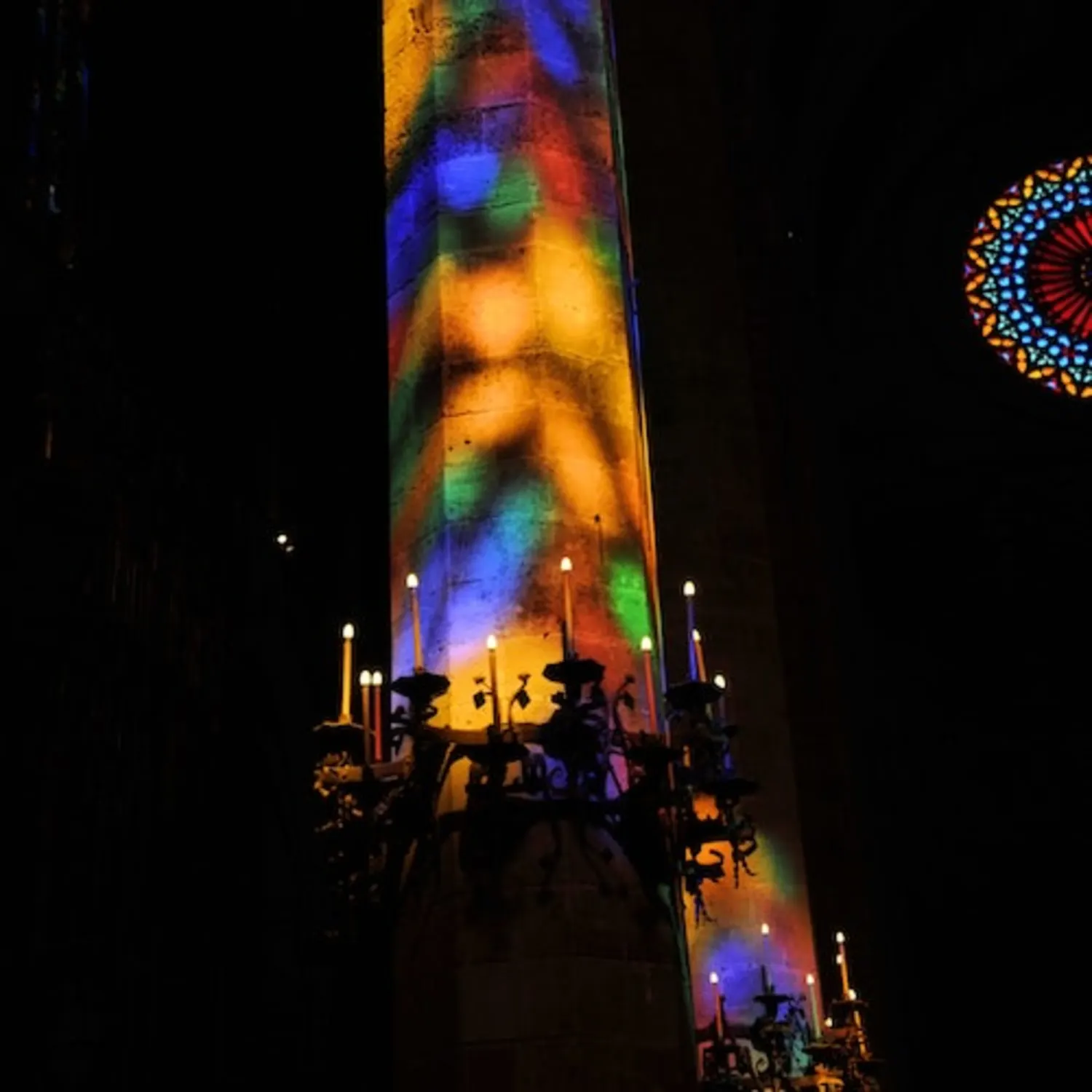
The interior lighting is most dramatic in the early morning, particularly when the sun passes through the East rose window.

Children under the age of 10 must be accompanied by an adult at all times, and strollers may have limited access in certain narrow museum corridors.

Essential Visitor Info

The Cathedral of Mallorca operates on a seasonal schedule to accommodate both its role as a place of worship and its status as a historical monument. It is important to note that the ticket office and entrance close 45 minutes before the stated closing times.

Standard Visiting Hours

The following hours apply to general tourist visits, which include access to the main nave and the Chapter Museum.

Monday to Friday: 10 AM to 5:15 PM (April through October)

Monday to Friday: 10 AM to 3:15 PM (November through March)

Saturday: 10 AM to 2:15 PM (Year-round)

Sunday: Closed for tourist visits

Religious Services

The cathedral remains an active place of worship. While tourist visits are suspended on Sundays and major religious holidays, visitors are welcome to attend Mass.

Daily Mass: Monday to Saturday at 9 AM.

Saturday Evening: 7 PM.

Sunday and Holidays: 10:30 AM, 12 PM, and 7 PM.

Key Closures and Holidays

The cathedral is closed to tourists on several fixed dates and during significant liturgical celebrations.

In 2026, scheduled closures for tourist visits include January 1st, January 20th (San Sebastián), Good Friday, August 15th (Assumption of Mary), November 1st (All Saints' Day), and December 25th and 26th.

The Cathedral of Mallorca is situated in the heart of Palma's historic center, positioned between the Royal Palace of La Almudaina and the Parc de la Mar. Its central location makes it easily accessible via public transport, car, or on foot.

Address:

Plaça de la Seu, s/n, 07001 Palma, Illes Balears, Spain.

By Public Bus (EMT Palma)

Palma’s local bus network is the most efficient way to reach the cathedral. Several lines stop within a short walking distance of the entrance.

Plaça de la Reina / Catedral (Stops 7 and 986): Lines 25 and 35 provide direct access to this stop, which is less than a 5-minute walk from the cathedral.

Plaça de Joan Carles I (Stops 53 and 1048): Lines 4, 7, and 20 stop here. This is approximately a 9-minute walk through the scenic Carrer de la Unió and Passeig des Born.

Parc de la Mar (Stop 1982): Lines 25, 30, and 35 serve this stop, located at the foot of the cathedral walls.

By Train and Metro

While there is no train station directly at the cathedral, the central transportation hub is nearby.

Estació Intermodal (Plaça d'Espanya): All train lines (T1, T2, T3) and the Metro (M1) terminate here.

From the Intermodal station, you can take a 15-minute walk down the Carrer de Sant Miquel and through the historic center, or catch bus line 35 directly to the cathedral.

By Car

Driving directly to the cathedral is not recommended, as the surrounding streets are part of a restricted access zone (ACIRE) and narrow historic lanes. However, several large underground parking facilities are located nearby:

Aparcament Parc de la Mar: Located directly beneath the park in front of the cathedral. This is the closest and most convenient option for visitors.

Aparcament Antoni Maura: Situated at the end of Passeig des Born, offering easy access to both the cathedral and the Almudaina Palace.

Aparcament Via Roma: A slightly further option, useful if the waterfront car parks are at capacity during peak season.

On Foot

If you are staying in the center of Palma, the cathedral is easily reachable on foot. It is the primary focal point of the city's skyline; following the signs for "Centre Històric" or "Catedral" from any central point will lead you to the Plaça de la Seu.

The walk from the main cruise ship terminal (Estació Marítima) takes approximately 35 to 45 minutes along the seaside promenade, the Passeig Marítim.

The Cathedral of Mallorca provides essential amenities designed to accommodate a high volume of international visitors while maintaining the integrity of the historical site.

Clean, modern public restrooms are available within the complex, specifically located near the museum entrance and the exit area.

To ensure a comfortable environment for all guests, the interior of the cathedral is climate-controlled, which offers a respite from the Mediterranean heat during the summer months.

Information services are positioned at the main entrance points to assist with ticketing and general orientation.

Visitors can access multilingual audio guides, which provide detailed historical and architectural context for the various chapels and art installations.

For security and the preservation of the monument, large bags and backpacks are not permitted inside; however, there are no formal luggage storage or locker facilities on-site, so guests are advised to leave large items at their accommodation or in nearby city lockers.

The Cathedral of Mallorca is committed to ensuring that the monument is accessible to all visitors, regardless of physical mobility. Most of the primary tourist areas, including the main nave, the side chapels, and the Chapter Museum, are located on a single level with step-free access.

Where architectural barriers exist, such as at the main entrance portals, permanent or mobile ramps have been installed to facilitate entry for wheelchair users and those with limited mobility.

Despite the historic nature of the building, the following specific accessibility features are in place:

Wheelchair Access: The main floor of the cathedral is fully accessible. Accessible toilets are available within the museum area of the complex.

Manual Wheelchair Loans: A limited number of manual wheelchairs are typically available for use at the entrance on a first-come, first-served basis.

Tactile and Sensory Resources: The museum and cathedral offer various resources for visitors with visual impairments, including descriptive materials. The open layout of the nave allows for easy navigation, though the lighting can be dim in certain side chapels.

Elevators: While the ground floor is accessible, the rooftop terraces are exclusively accessed via a narrow, 215-step spiral staircase. There is currently no elevator access to the terraces, making that specific portion of the visit unsuitable for individuals with mobility impairments or heart conditions.

Service Animals: Certified service dogs are permitted inside the cathedral and the museum, provided they are properly harnessed and accompanied by the necessary documentation.

About the Cathedral of Mallorca

Catedral-Basílica de Santa María de Mallorca (Google Maps)

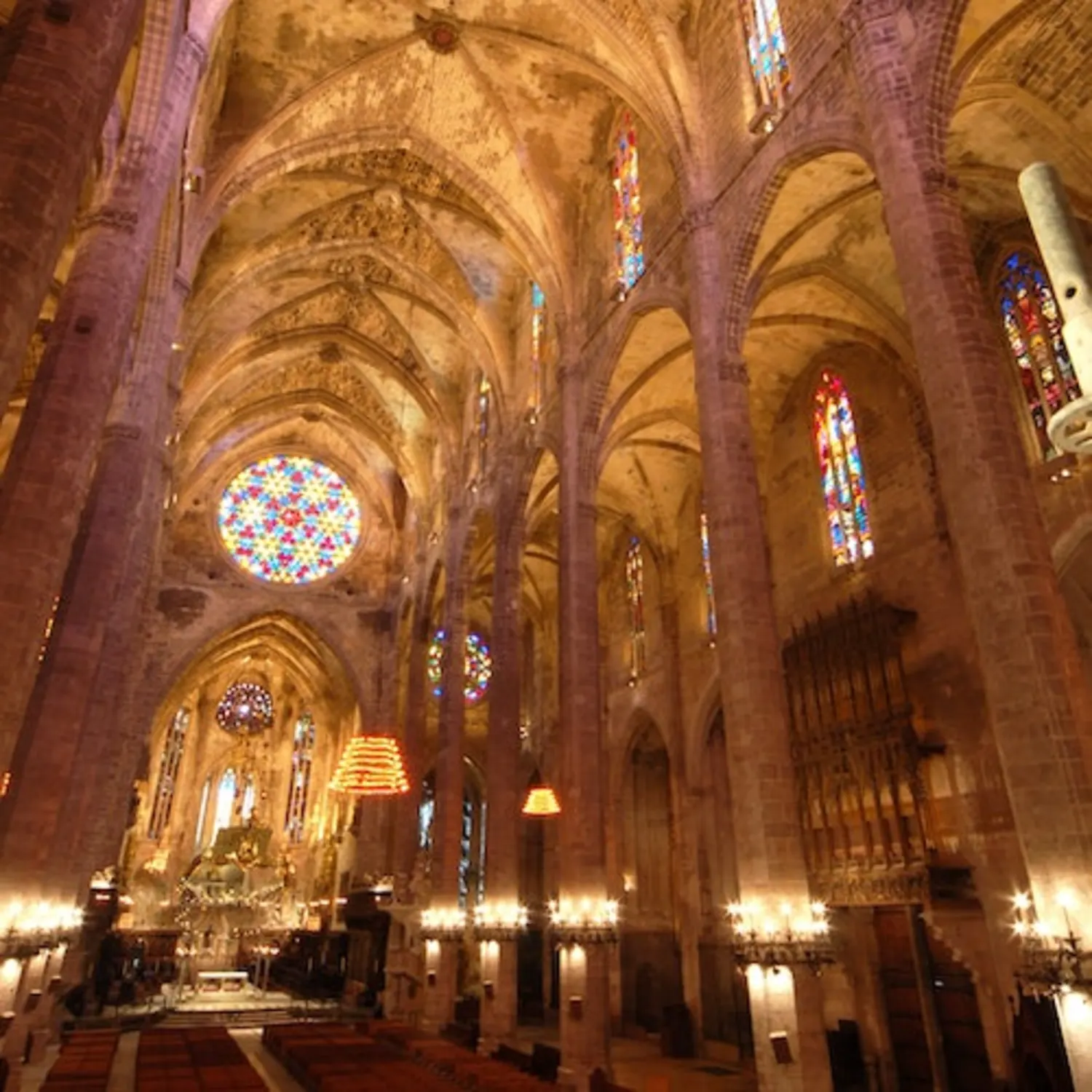
The Cathedral of Santa María, widely known as La Seu, is a premier example of Levantine Gothic architecture, characterized by its emphasis on horizontal space and its slender, palm-like pillars. Built on the foundations of the city’s former central mosque following the 13th-century Christian conquest, the structure evolved over 400 years to become the spiritual heart of the Balearic Islands. Its massive sandstone walls and dramatic flying buttresses dominate the Palma skyline, standing as a testament to the engineering prowess of the Middle Ages and the island’s historical importance as a maritime hub.

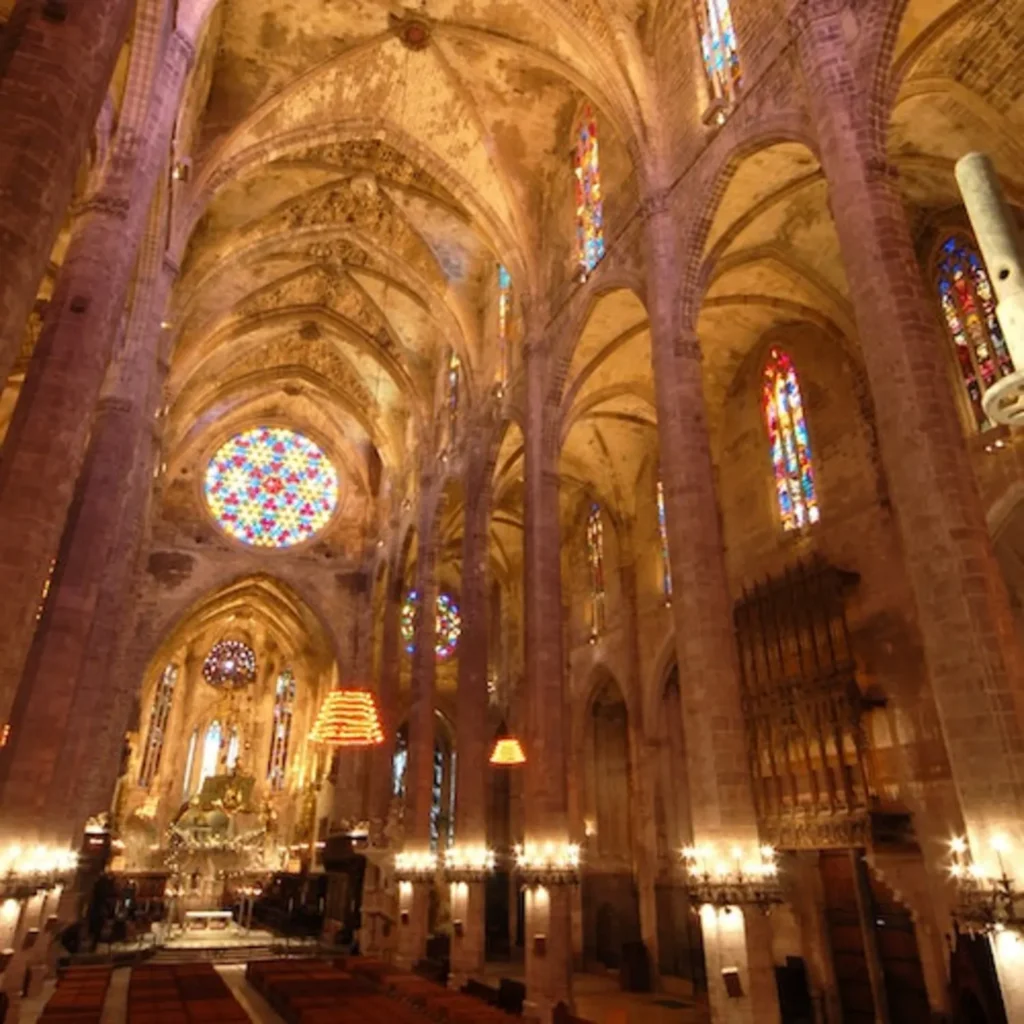
Beyond its medieval origins, the cathedral is a living museum of artistic evolution, featuring significant interventions by 20th-century masters. The interior was famously reimagined by Antoni Gaudí, who introduced liturgical changes and modernist decorative elements to enhance the flow of natural light. This blend of traditional Gothic grandeur and modern artistry is further complemented by Miquel Barceló’s contemporary ceramic chapel. Today, the cathedral serves both as an active place of worship and a cultural monument, attracting visitors with its "Gothic Eye" rose window and its unique position overlooking the Mediterranean Sea.

Why Visit the Cathedral of Mallorca?

The World's Largest Gothic Rose Window

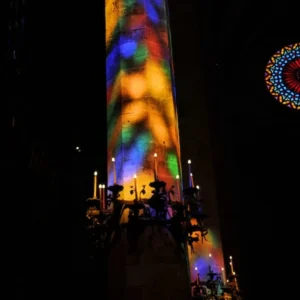
The cathedral houses the "Gothic Eye," a massive rose window measuring approximately 12 meters in diameter and containing over 1,200 pieces of colored glass. Twice a year, during the spectacles of light on February 2nd and November 11th, the sunlight aligns perfectly to project a reflection of this window directly beneath its counterpart on the opposite wall.

Architectural Contributions by Antoni Gaudí

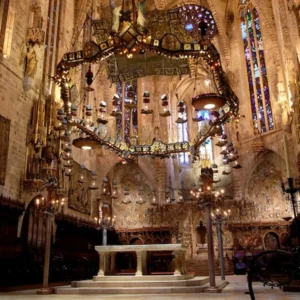
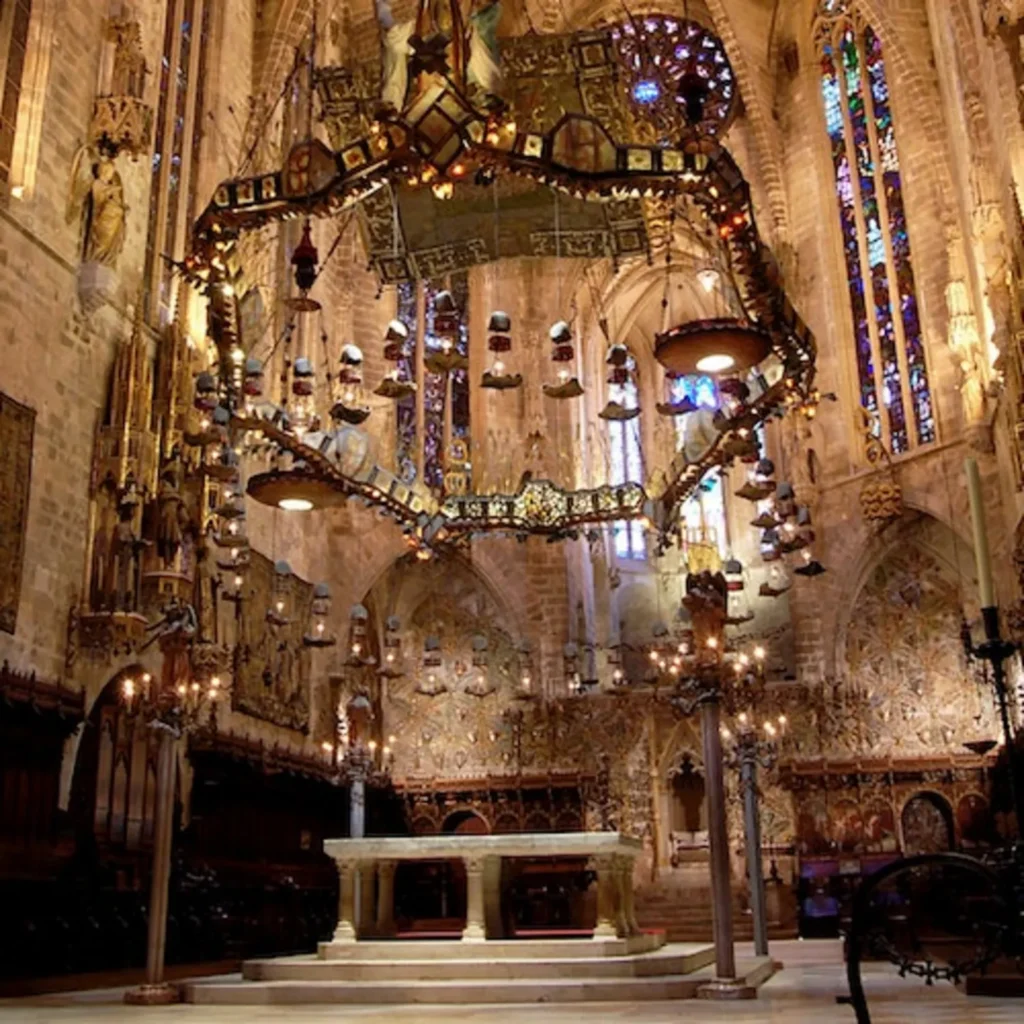
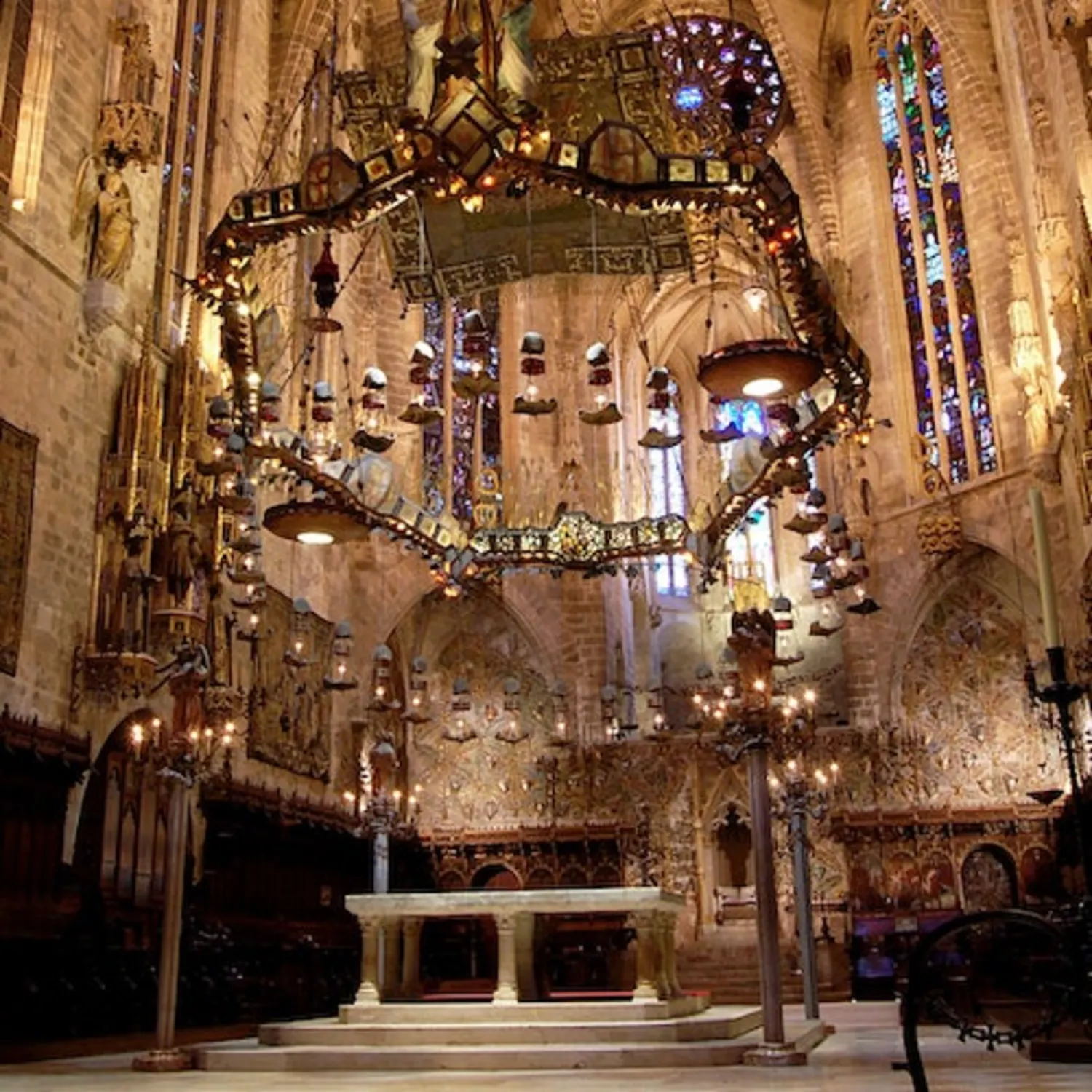
In the early 20th century, the renowned Modernist architect Antoni Gaudí oversaw a significant restoration of the interior. His work introduced the crown-of-thorns baldachin above the altar and opened up the central nave by removing the choir stalls, allowing more natural light to illuminate the space.

Miquel Barceló’s Contemporary Chapel

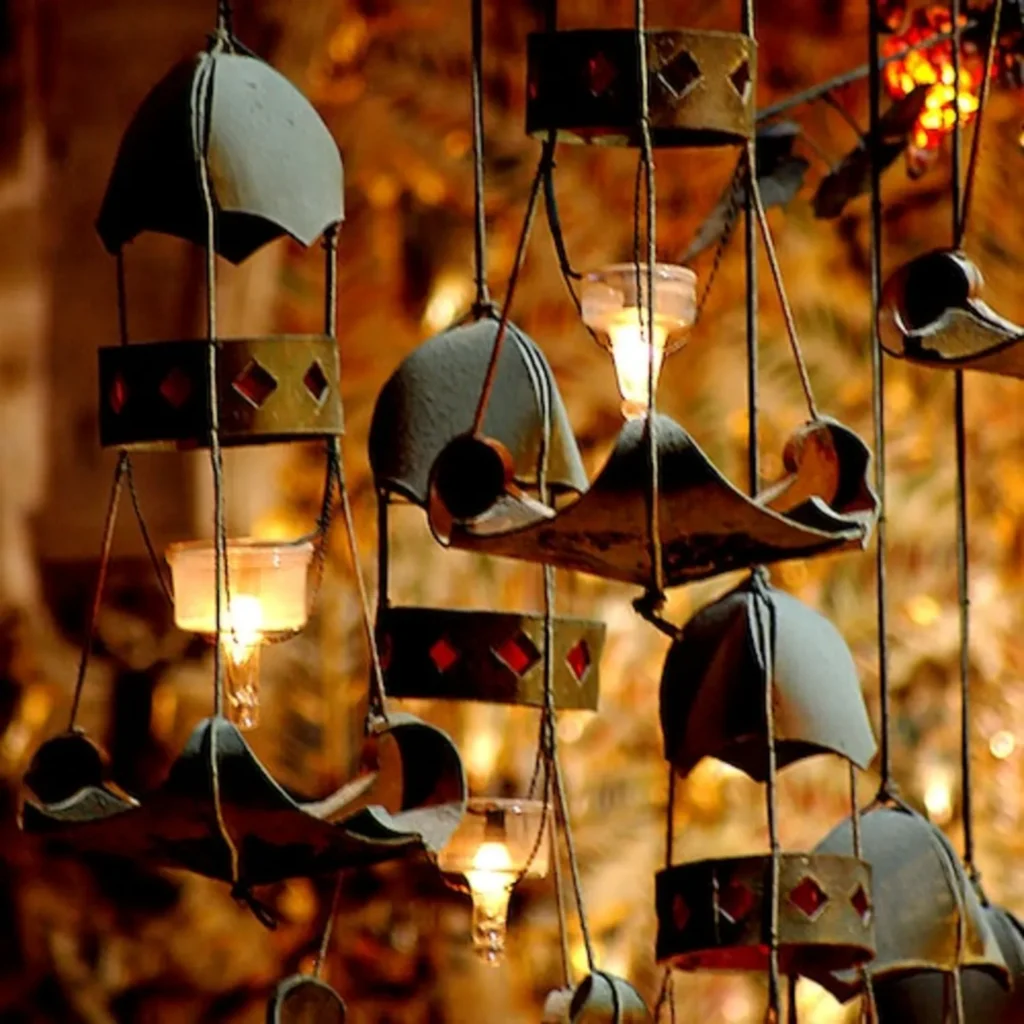
The Blessed Sacrament Chapel features a striking ceramic mural created by the contemporary Mallorcan artist Miquel Barceló. This unique installation depicts the biblical miracle of the loaves and fishes through textured, organic shapes that contrast sharply with the cathedral's traditional Gothic surroundings.

Access to the Rooftop Terraces

Visitors can climb the spiral staircases to reach the rooftop terraces, offering a close-up view of the cathedral’s flying buttresses and the bell tower. From this vantage point, you can enjoy panoramic views of the city of Palma, the Royal Palace of La Almudaina, and the expansive Bay of Palma.

Unrivaled Mediterranean Location

Unlike many Gothic cathedrals tucked away in narrow city centers, La Seu was built on the site of a former mosque directly atop the Roman walls facing the sea. The reflection of the sandstone edifice in the Parc de la Mar’s saltwater lake provides one of the most photographed vistas in the Balearic Islands.

Cathedral of Mallorca - Additional Info

While there are no dining facilities or cafes located inside the cathedral itself, the surrounding historic quarter and the nearby Parc de la Mar offer a wide range of gastronomic options.

Immediately outside the cathedral walls in the Plaça de la Seu and the S'Hort del Rei gardens, visitors can find small kiosks selling water and light snacks. For a more formal meal, the adjacent Carrer de Palau and the Passeig des Born feature numerous restaurants ranging from traditional Balearic tapas bars to contemporary Mediterranean bistros.

For those preferring a scenic setting, the waterfront cafes along the Parc de la Mar provide outdoor seating with direct views of the cathedral’s flying buttresses and the saltwater lake. Because the cathedral is located in a high-traffic tourist zone, it is recommended to walk a few streets into the narrow lanes of the Old Town (Casco Antiguo) to find quieter, more authentic dining establishments favored by locals.

The official cathedral shop is located at the end of the visitor route, housed within the historic Chapterhouse area.

It offers a curated selection of items that reflect the religious, cultural, and architectural significance of La Seu. Visitors can find high-quality reproductions of the "Gothic Eye" rose window, specialized literature regarding Antoni Gaudí’s interventions, and liturgical music recordings performed on the cathedral’s famous organ.

Beyond traditional souvenirs, the store features artisanal products made in Mallorca, including local ceramics and olive wood crafts. All proceeds from the shop contribute directly to the ongoing conservation and restoration efforts of the cathedral.

The store follows the same operating schedule as the tourist visiting hours and accepts both cash and major credit cards.

Interesting Facts about the Cathedral of Mallorca

The Cathedral of Mallorca is built on the site of the former Great Mosque of Mayurqa, which was repurposed following the Christian conquest in 1229.

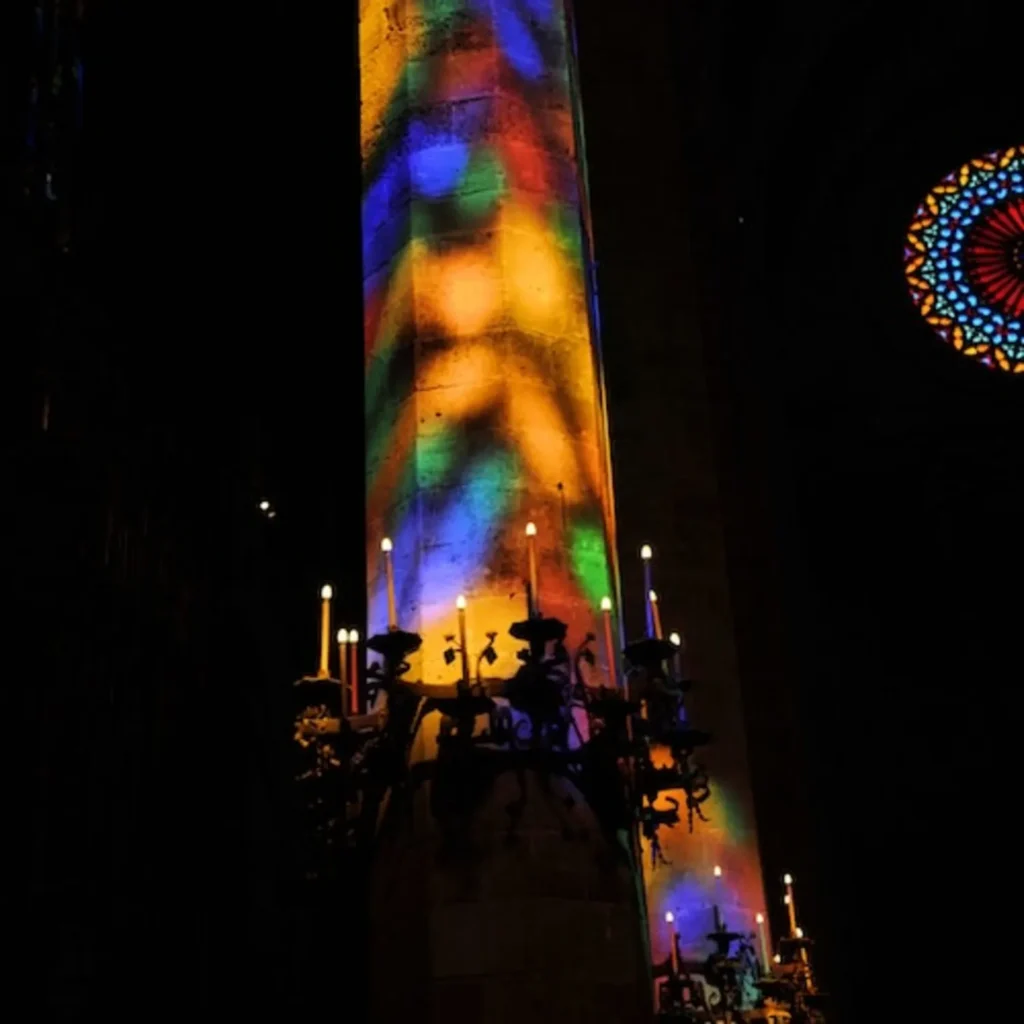
It is often called the Cathedral of Light because it features 61 stained-glass windows that allow natural light to flood the interior space.

The main rose window, known as the Oculus Maior, contains a Star of David formed by the intricate arrangement of its stone tracery.

Construction of the cathedral took nearly 400 years to complete, with the main structure being finished around 1601.

The nave of the cathedral is one of the highest in Europe, reaching a height of approximately 44 meters.

Due to its proximity to the sea, the building’s golden sandstone exterior changes hue throughout the day depending on the position of the sun.

Antoni Gaudí’s early 20th-century restoration included the installation of electric lighting, which was a highly modern addition at the time.

The wrought-iron baldachin designed by Gaudí is actually a temporary model that was never replaced by the final intended version.

Miquel Barceló used 15 tons of clay to create the contemporary ceramic mural in the Chapel of the Holy Sacrament.

The cathedral’s bell tower houses nine bells, the largest of which is named N'Eloi and weighs over 4,500 kilograms.

Twice a year, the sun creates a figure-eight shape as the reflection of the large rose window sits perfectly beneath the smaller rose window.

The Royal Chapel contains the tombs of the kings of Mallorca, James II and James III, resting within the sanctuary.

The building survived a significant earthquake in 1851, which necessitated a massive reconstruction of the main facade.

It is the only Gothic cathedral that is reflected in the sea, a visual effect enhanced by the modern creation of the Parc de la Mar.

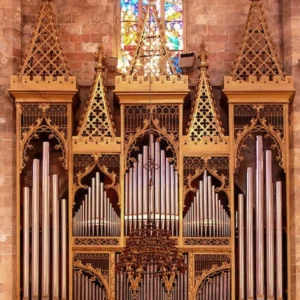
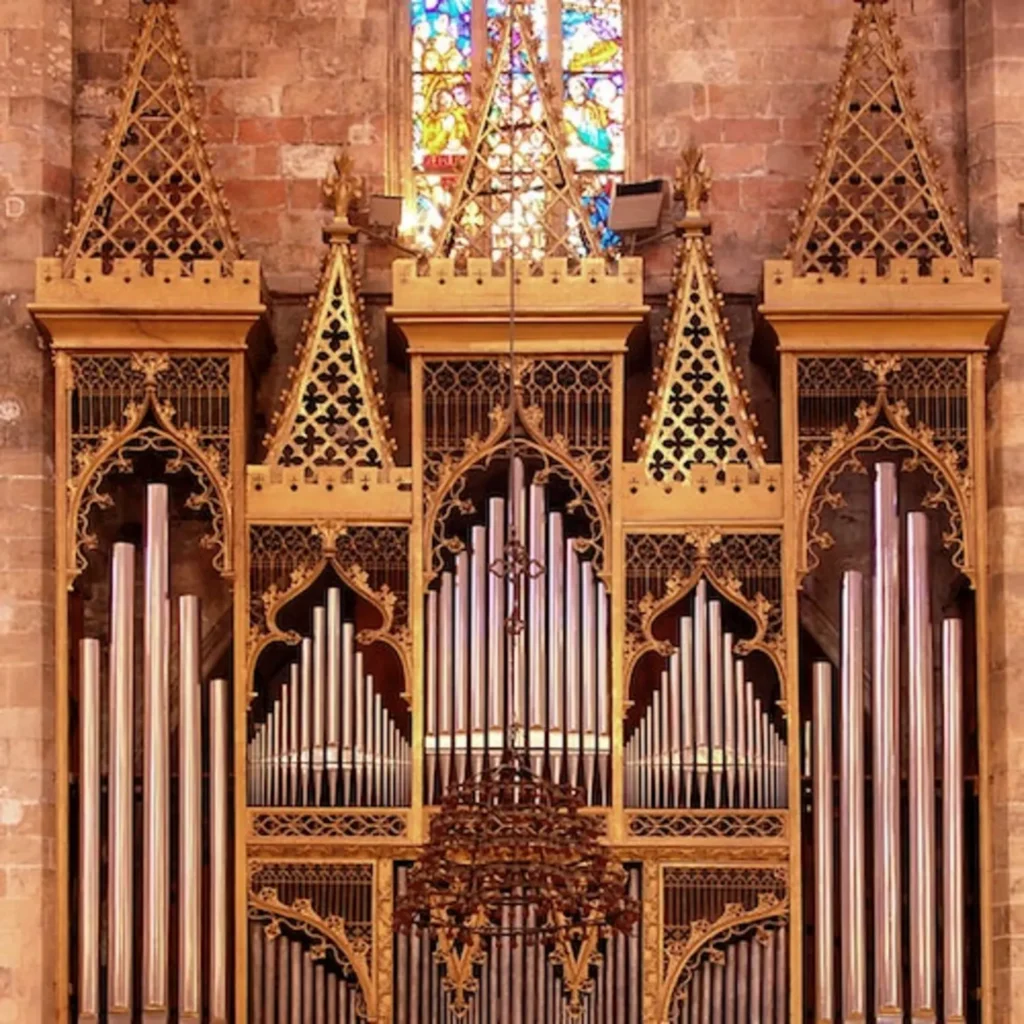
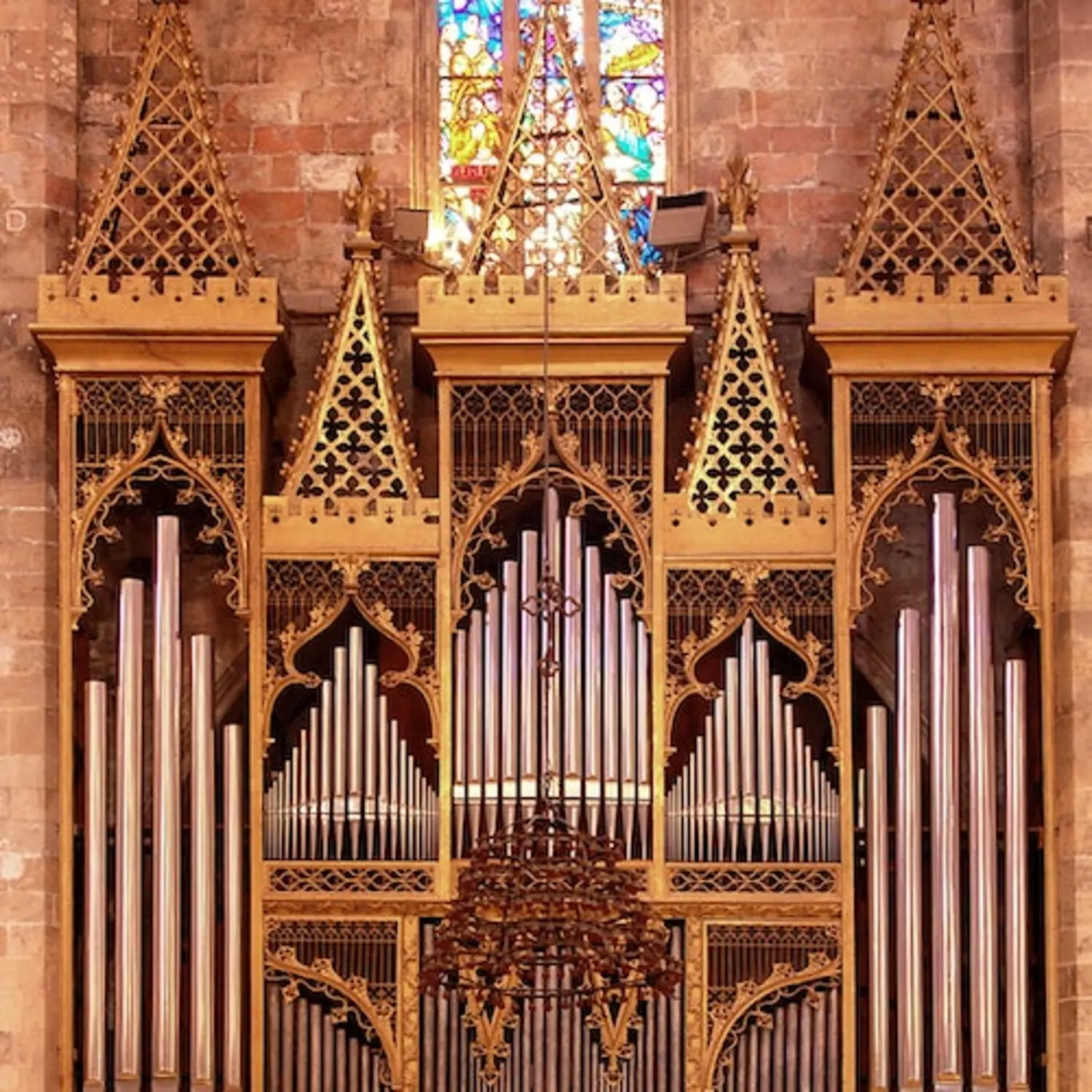
The organ of the cathedral was originally built in the late 15th century and has undergone several restorations to maintain its complex sound.

FAQs about Cathedral of Mallorca

What is the architectural style of the Cathedral of Mallorca?

The cathedral is a premier example of Levantine or Catalan Gothic architecture, known for its significant horizontal reach and slender interior columns.

Why is the cathedral often called the Cathedral of Light?

It earned this name due to its 61 stained-glass windows and a massive rose window that fill the interior with vibrant natural light.

What is unique about the cathedral’s location?

Unlike most Gothic cathedrals, it was built directly on the Roman walls overlooking the sea, on the site of the former Great Mosque of Mayurqa.

Who were the major artists involved in the cathedral's restoration?

Modernist architect Antoni Gaudí led a significant renovation in the 20th century, while contemporary artist Miquel Barceló created the ceramic mural in the Blessed Sacrament Chapel.

What is the significance of the "Gothic Eye" rose window?

Measuring approximately 12 meters in diameter, it is one of the largest Gothic rose windows in the world and contains over 1,200 pieces of glass.

What is the "spectacle of light" that occurs at the cathedral?

Twice a year, on February 2nd and November 11th, sunlight projects a reflection of the main rose window onto the opposite wall to form a figure-eight shape.

Are there royal tombs located inside the cathedral?

The Royal Chapel houses the tombs of King James II and King James III, the historic monarchs of the Kingdom of Mallorca.

What is the dress code for entering the cathedral?

Visitors must wear respectful clothing that covers the shoulders and ensures that shorts or skirts reach at least mid-thigh.

Can I visit the cathedral on Sundays?

The cathedral is closed for tourist visits on Sundays to accommodate religious services, though the public is welcome to attend Mass.

Is there an elevator to access the rooftop terraces?

There is no elevator access, as the terraces are only reachable via a steep spiral staircase consisting of 215 steps.

Are there luggage storage facilities on-site?

The cathedral does not provide lockers or storage for large bags and suitcases, so these items must be left at your accommodation or in city lockers.

When is the best time of day to visit for lighting?

The interior lighting is most impressive during the early morning hours when the sun passes through the eastern rose window.

Can I take photographs inside the building?

Photography for personal use is permitted, but the use of flash, tripods, or professional filming equipment is strictly prohibited.

How can I avoid long wait times at the entrance?

It is highly recommended to purchase tickets online in advance to bypass the physical ticket office queues during the busy summer season.

This website sells official tickets for this venue. Please note, however, that it is not the official website of the venue.

The images and videos on this website may contain visual elements that have been created or enhanced using AI technology. They are provided for illustrative purposes only.